

How we operate
One manual. Applied the same way every time.
Dream Work runs on a written operating manual. Every routine event — a reported fault, a payment that doesn't match, a room becoming vacant — has a numbered procedure with an owner, a trigger, a finish condition and a stop rule. What follows is the public summary of how that works.
From a reported fault to a finished repair
§ 01 — PROCEDURE- 01
The report is captured properly
Symptom, location, access times and photographs where it is safe to take them. We check whether it is a safety issue or a recurrence before anything else.
- 02
Danger is triaged ahead of everything
Gas, fire, flooding, dangerous electrics or a security threat go straight to emergency services and a competent responder. Nobody waits on a spending approval to make a building safe.
- 03
A written work order, not a phone call
Exact scope, address, access arrangements, risk, an agreed cost limit, an attendance deadline and the evidence required at the end. Specialist work goes to the qualified trade for it — never to a general handyman.
- 04
Attendance is confirmed, then chased
An unaccepted job is not a booked job. If it is not confirmed by the next working block, someone follows it up by name. The case stays open until it is.
- 05
Closed on proof, not on an invoice
Before and after evidence compared against the scope, the resident's confirmation where practical, keys accounted for. A failed callback reopens the original record rather than hiding in a new one.
A contractor is instructed on paper, or not at all.
This is the shape of every routine work order we issue. The cost limit and the evidence requirement are set before anyone attends, so there is no argument about either afterwards.

- SCOPE
- Stated as the fault and the finished condition, not as a job title.
- TRADE
- Qualified for the work — gas, electrical and fire never go to a generalist.
- ACCESS
- Arranged with the occupant, with notice. No keys retained afterwards.
- COST LIMIT
- Small fixes carry a fixed instruction limit; anything larger goes to two quotes and approval.
- DEADLINE
- Attendance date, and the working block by which acceptance is chased.
- EVIDENCE
- Before and after photographs, invoice against scope, key return confirmed.
The rest of the standing work
§ 03 — FOUR CONTROLSInspection & cleaning
Communal areas cleaned fortnightly, every room inspected quarterly, both on standard forms. Every material finding becomes its own tracked action. A submitted form is not proof that the thing it found got fixed.
Access & keys
At least 24 hours' notice for routine visits, and lawful access respected. Keys are held on a restricted register, contractors retain none, and access credentials are rotated the moment they are exposed.
Money & separation of duties
The people who instruct work do not hold bank access, and supplier selection is kept separate from payment authorisation. Changed bank details are verified independently before anything moves.
Rent & arrears
Contact only ever happens from a verified balance. Escalation is factual and proportionate, payment plans consider what someone can actually afford, and a formal protection stops enforcement rather than being worked around.
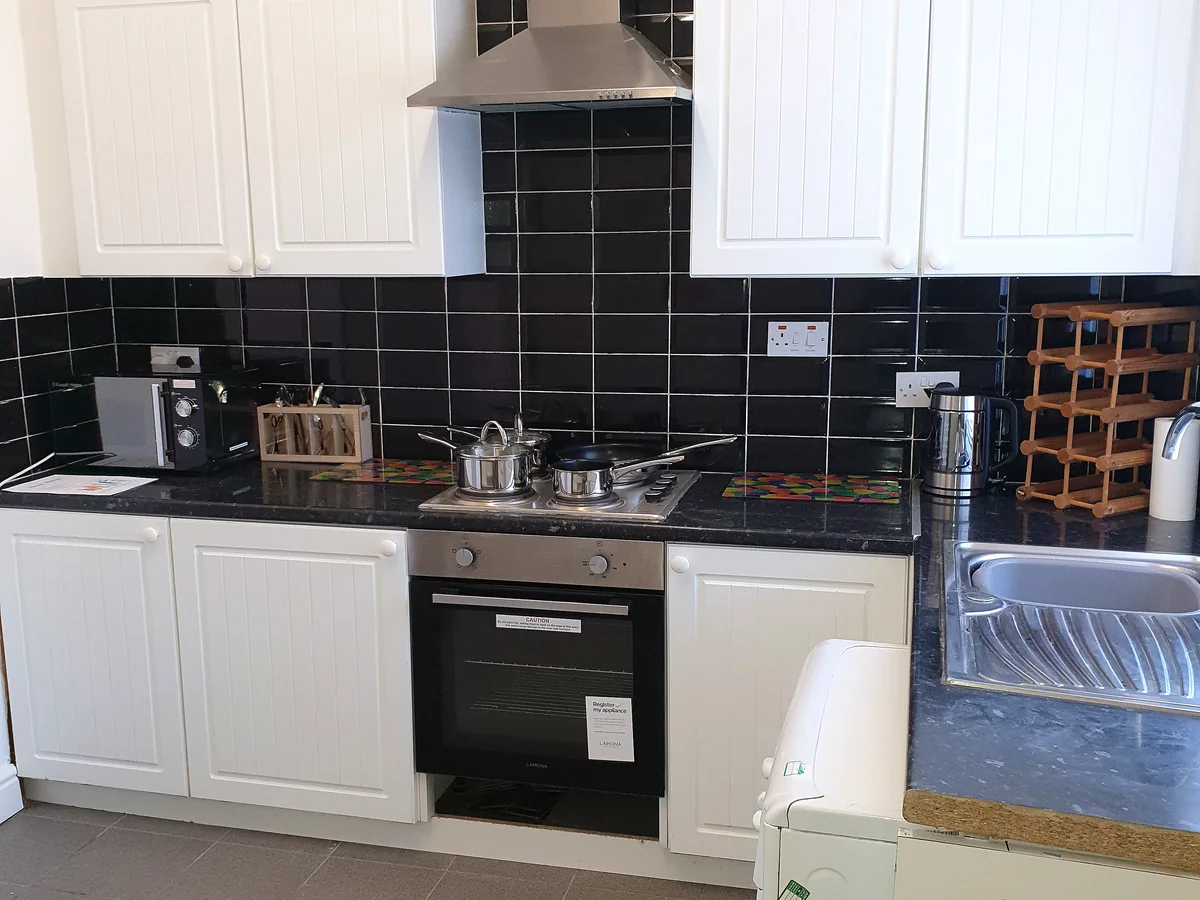
From preparation to operating standard.
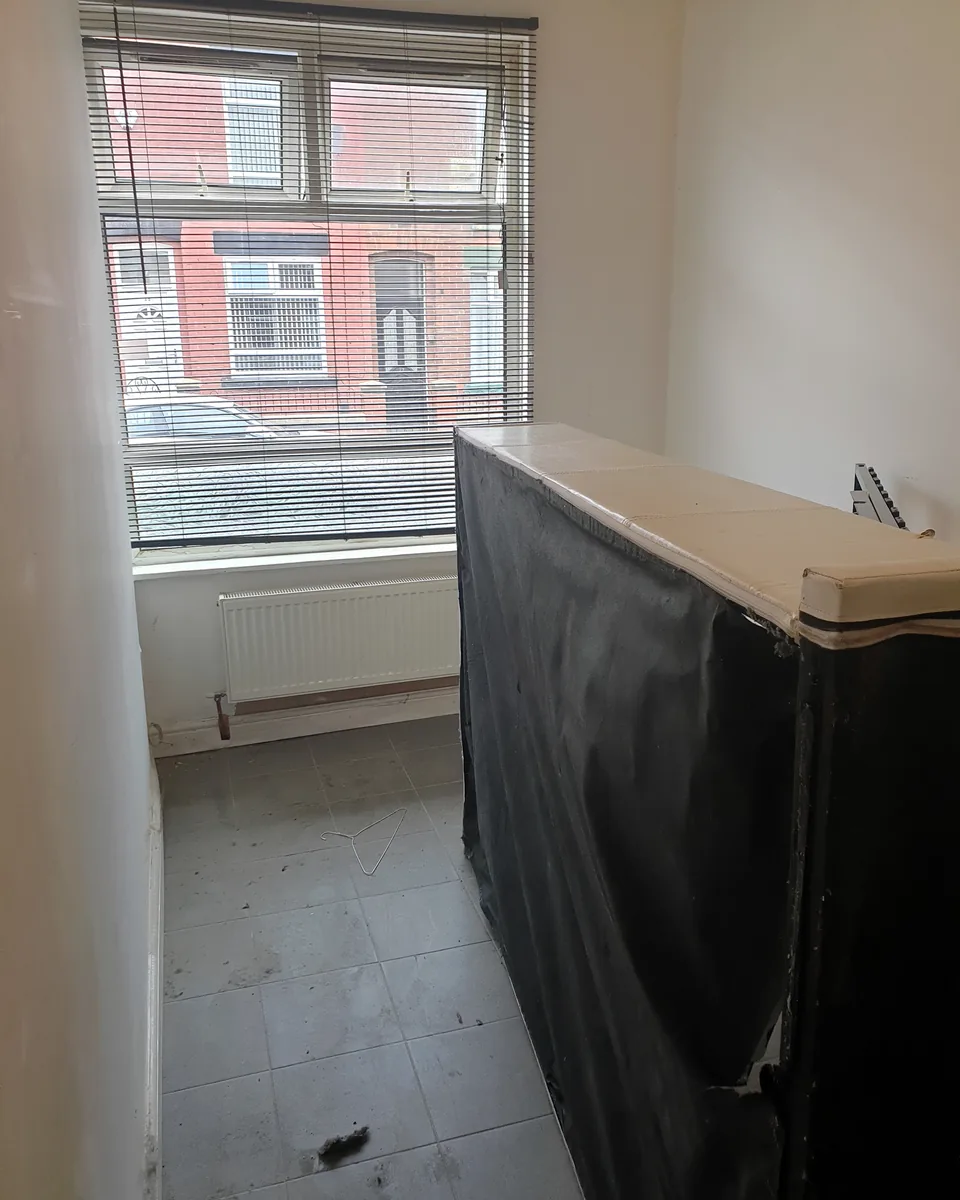
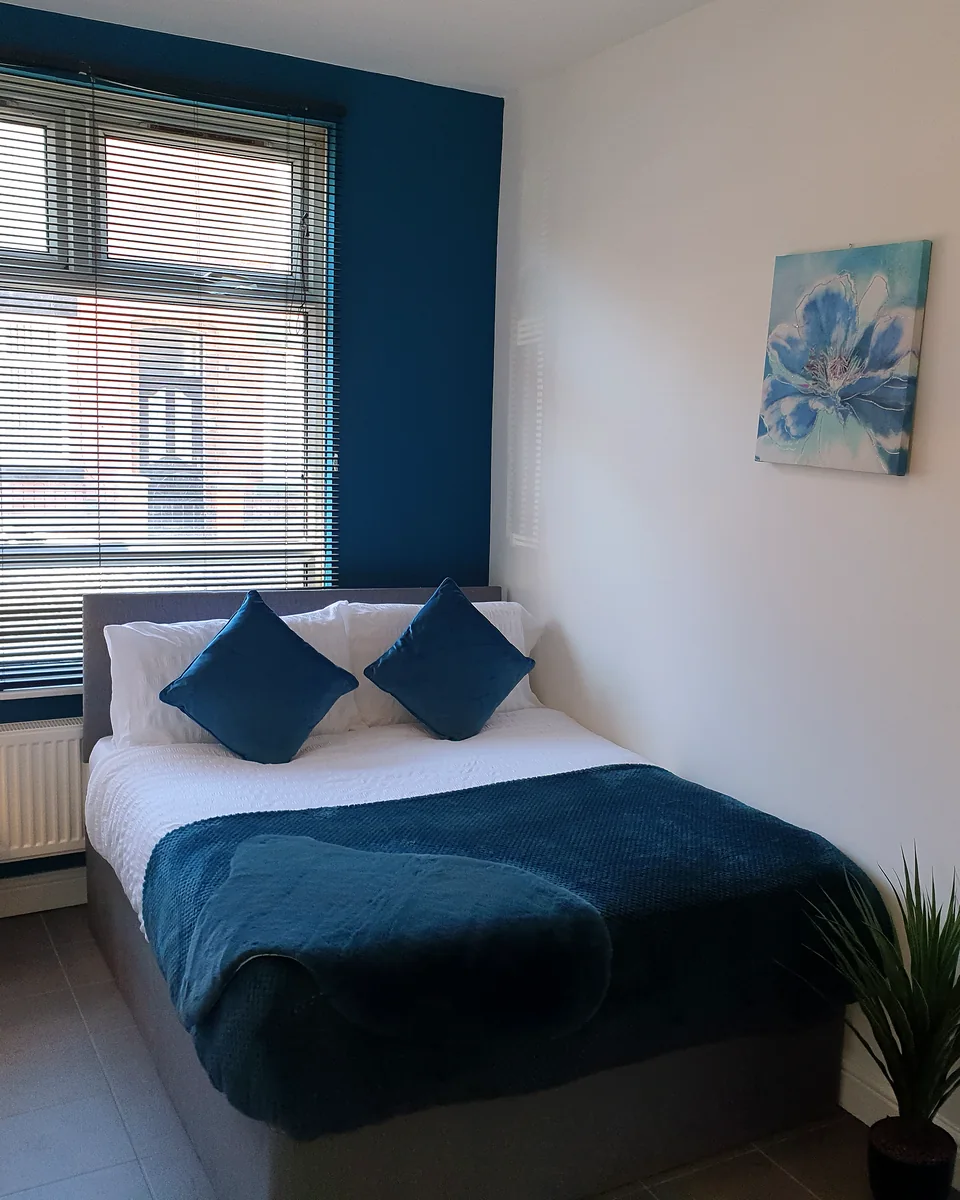
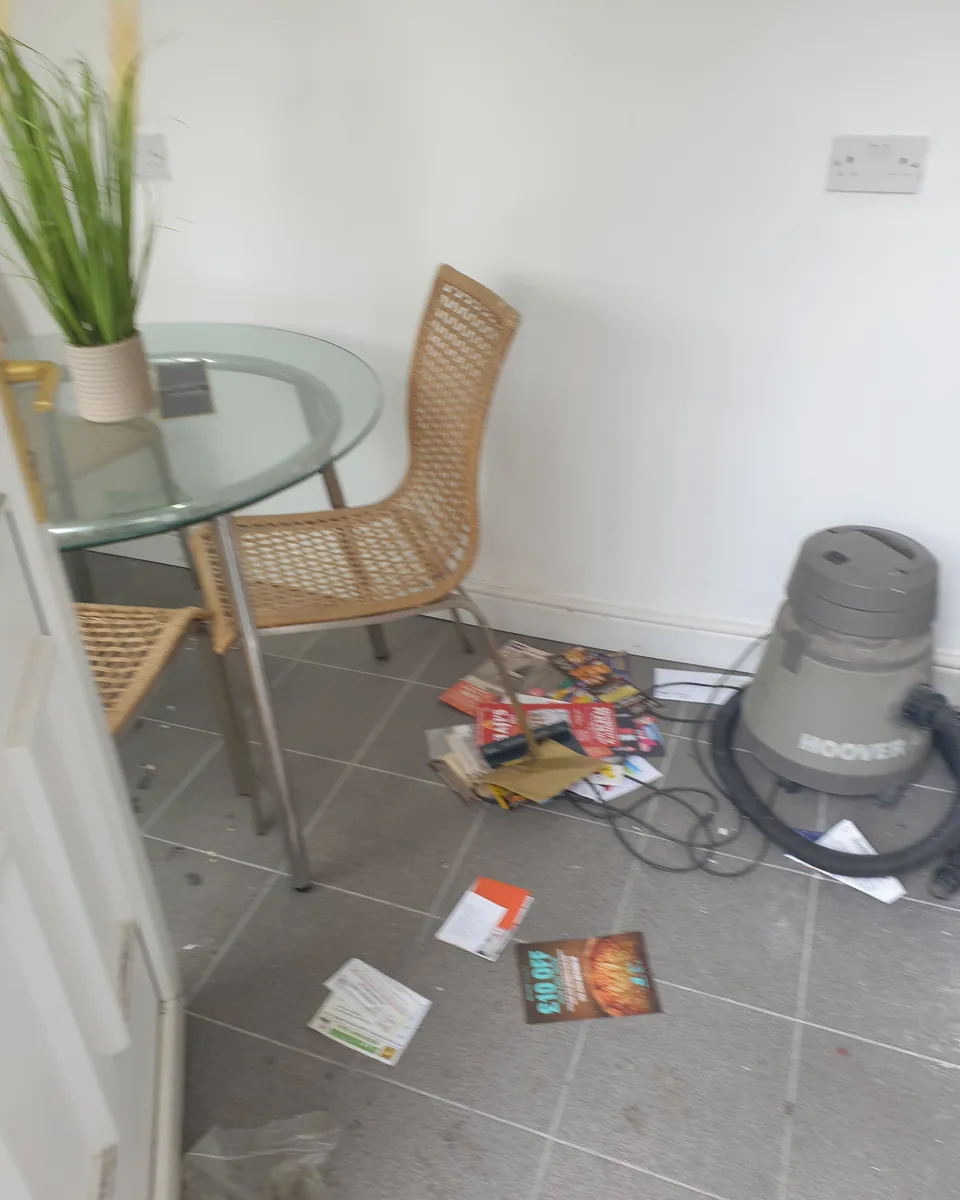
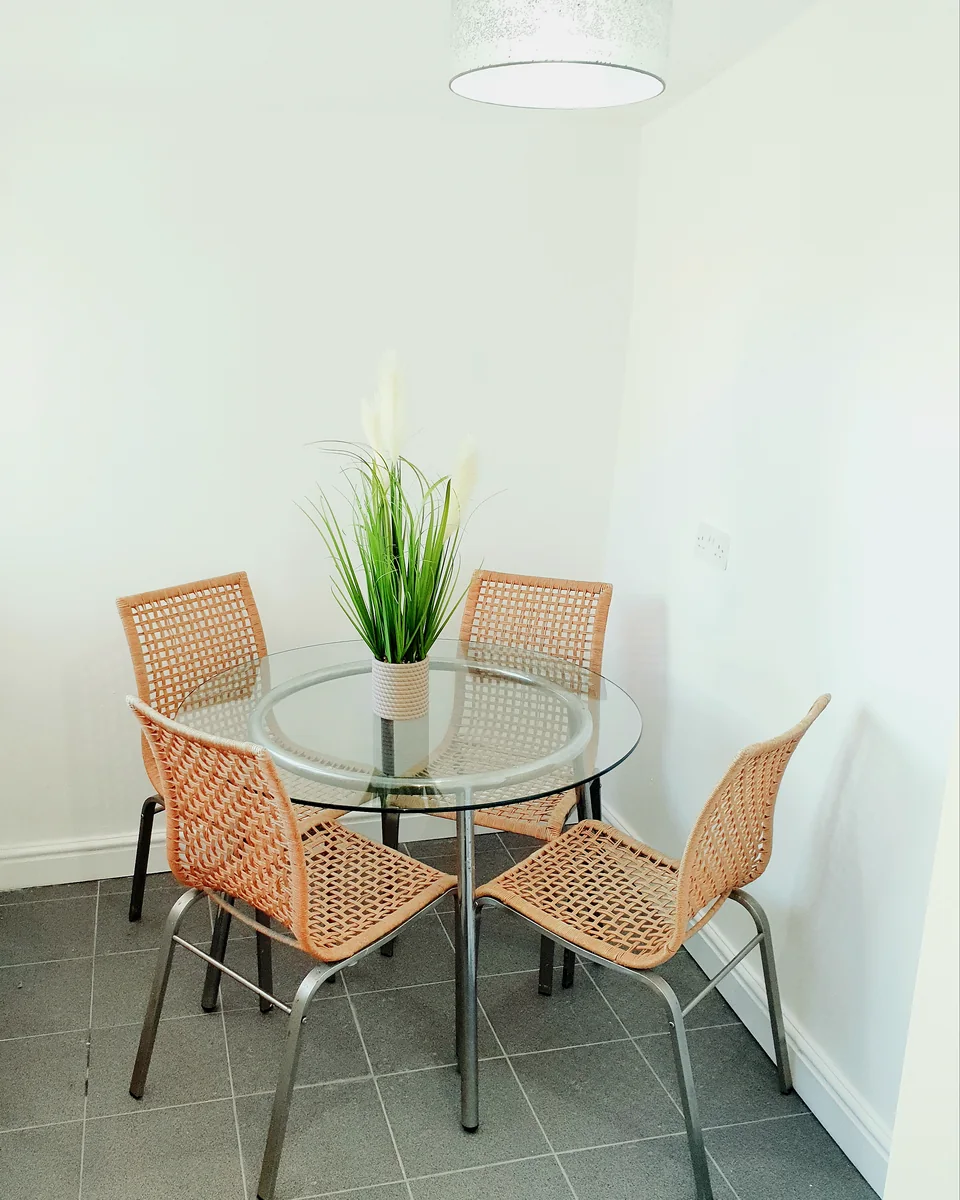
§ 04 — BEFORE AND AFTERSelected examples of spaces before preparation and once ready to operate under the Dream Work standard. Each pair is the same space.
This is the manual applied to every building we run. What it means for a specific property — what we take on, the terms, and what reaches an owner — is on property owners and our HMO management approach. The landlord guides cover the planning and licensing position locally.